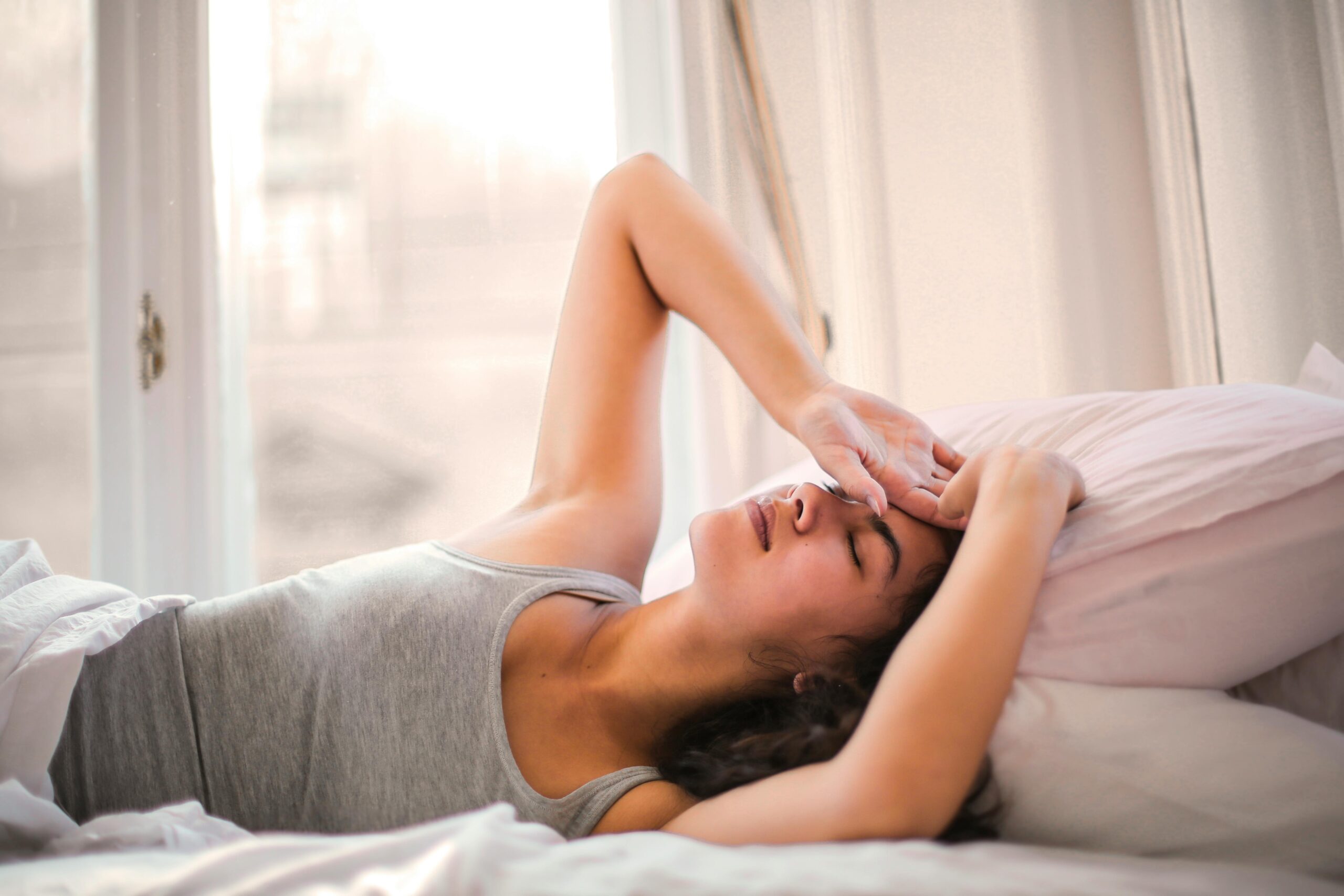
What was once an adult complaint is now a teen crisis: sleepless nights, foggy mornings, and exhausted days.
Delayed Sleep Phase Syndrome (DPS). a circadian rhythm disorder that throws the body’s internal clock out of sync.
Sleep disorders like DSPS, Night Shift Work Disorder, and other circadian rhythm disturbances are on the rise among adolescents and young adults. “Urban lifestyles are a perfect storm for sleep disorders.”
“There is late-night device use, academic demands, and irregular meal timings — often dinners as late as 9 or 10 pm — that disrupt natural sleep cycles, unlike the West where meals are eaten between 5 and 7 pm, aiding better sleep.” Youngsters also tend to indulge in late-night snacking while studying or scroll on their phones.
NIGHT STUDY, EARLY CLASSES:
Academic pressures further rob youngsters of sleep. How India’s late-night studying and early school hours amplify DSPS.
“School timings force kids to wake early, cutting sleep short. In metros, shifting school start times as done, could help.”
Japan offers a glimpse of innovation.
The crisis isn’t limited to teens, though reason for pre-teen sleep disorders are different. Many studies have shown pediatric obesity can trigger obstructive sleep apnea (OSA), a disorder characterized by recurrent upper airway obstruction that disrupts ventilation and sleep.
Poor sleep in kids is not just about daytime drowsiness, it’s tied to long-term risks like hypertension, metabolic disorders, and poor academic performance.
Sleep disorders don’t discriminate by age, “From toddlers to college students, hormonal shifts and lifestyle choices like staying up until 4 or 5 am wreak havoc on sleep cycles.”
BLUE LIGHT TO BLAME:
Blue light from screens is a major reason for disrupted sleep. “It delays circadian rhythms, especially in kids and teens who ideally need 9-11 hours of sleep for growth.”
Just four consecutive nights of five-hour sleep can impair performance similar to a 0.06 blood alcohol level, affecting judgment, motor skills, and reaction time.
“A 30% surge in sleep complaints among young patients, with one in five reporting insomnia or sleep anxiety.”
“Digital learning, stress, and less physical activity are key drivers.”
HOW MUCH SLEEP DO WE ACTUALLY NEED:
0-3 months: 17 hours
4-11 months: 15 hours
1-2 years: 14 hours
3-5 years: 13 hours
6-13 years: 11 hours.
14-17 years: 10 hours
18-64 years: 9 hours
65+ years: 8 hours.
LACK OF SLEEP IS LIKE BEING DRUNK:
(Like blood alcohol concentration of:-)
17 hours awake – 0.05% = 1 beer.
4 nights of 5 hr sleep – 0.06% = 1-2 beers.
24 hours awake – 0.10% -3-4 beers.
LEGAL ALCOHOL LIMIT FOR DRIVING LIMIT FOR DRIVING IN INDIA IS 0.03% BAC.