
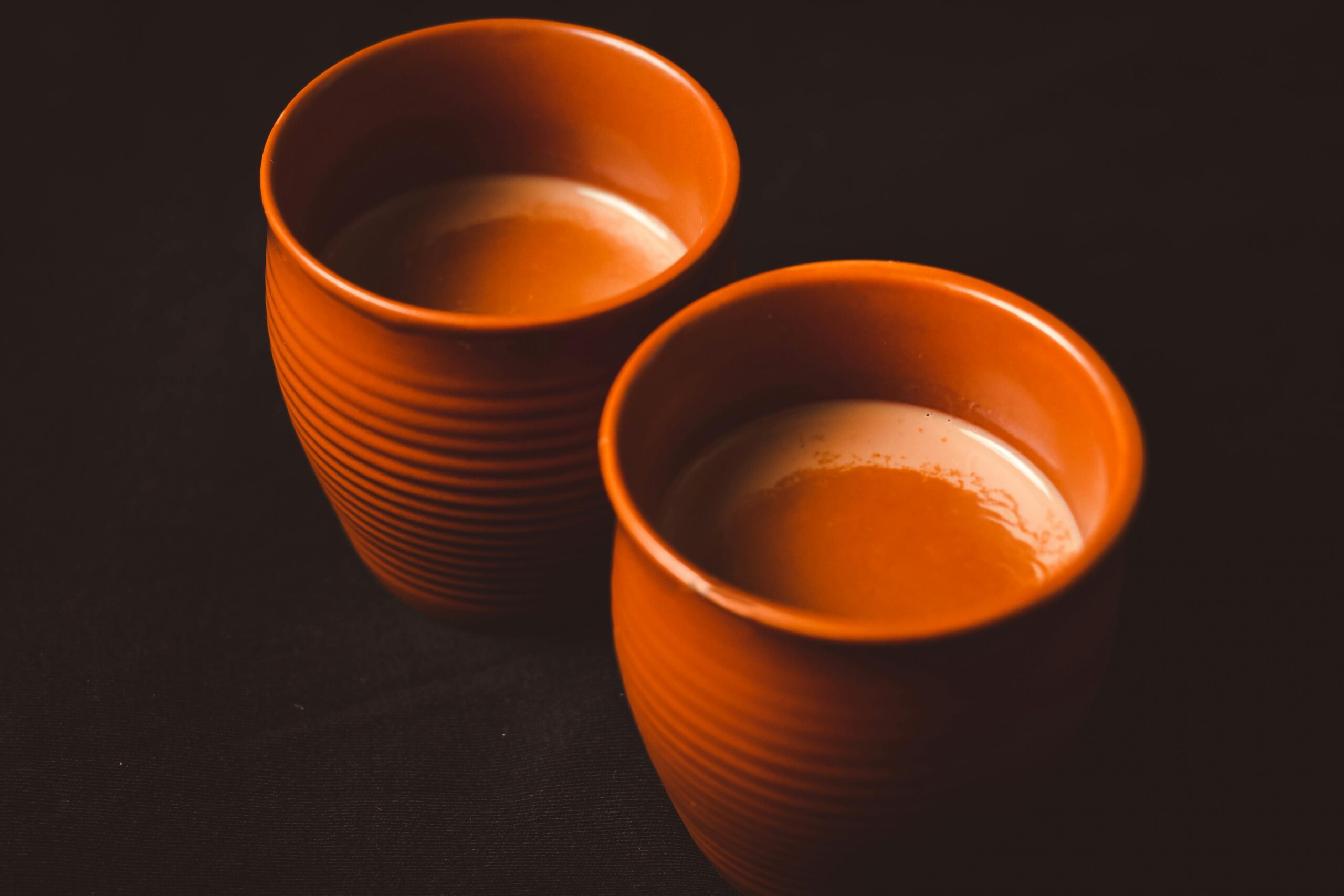
Each day an estimated five billion cups of tea are drunk around the world — and every single one of them is potentially a health booster; if made correctly.
Now you might be thinking, there’s tea, there’s water — maybe milk and sugar depending on where you live — how hard can it be to do it correctly?
Well, actually there’s a science to making tea that tastes good, and positively affects your health.
HEALTH BENEFITS:
According to recent studies, drinking two to six cups of a day is linked to a lowered risk of arterial changes associated with heart disease and dementia, while one cup a day reduces the risk of diabetes — and just three cups a week might lead to a longer life.
“All tea– green, black, and white — comes from the Camellia sinensis plant which is full of phytochemicals with antioxidant properties that benefit health.” However, the tea you choose and how you prepare it makes a difference as to how many of these phytochemicals actually end up in your cup.” That is one reason why the research findings about how much tea confers health benefits are so inconsistent.
If you want to make the healthiest cup of tea though, here are the steps you need to follow:
VARY YOUR COLORS:
“The difference in tea color comes from when it’s picked and how it is processed after picking.” The less a tea is allowed to oxidize (react with air) the more healthy compounds it contains.
“White tea is made from the buds of the tea and dried immediately to stop it oxidizing so it has the highest levels.”
“Green tea is heated to stop oxidation, black tea is allowed to oxidize fully and oolong is somewhere in between.”
This might lead you to believe that you should only drink white tea, but not only is that bad for the budget (it’s very expensive).
“We find different polyphenols in the different teas — so it’s a better idea to vary the types you drink to ensure a mix.”
STICK WITH LEAVES:
“Making tea is all about chemistry — and the key to chemistry is proximity.”
“A tea bag is a barrier between the hot water and the tea leaves which affects how many of the compounds are released.”
You get 30 percent less caffeine in a cup of tea made from a tea bag than one made from loose tea. And it takes three times as long for a cup of tea made with a bag to reach the maximum levels of antioxidants of a cup of tea made from leaves.
FRESHLY BOIL THE WATER:
To extract the optimum health benefits of tea, you need to use water that’s at least 85C. “And add a splash of hot water to the teapot or cup, before you put in the leaves or bag.” This helps the pot maintain a higher temperature while steeping.”
The longer you can keep the temperature up the more antioxidants emerge. Short, squat teapots also maintain their temperature better than larger ones.
BE PATIENT:
The traditional amount of time that tea is left to steep is about two minutes but, according to research from the University of Malaya, leaving black tea to steep for five minutes creates its optimum level of active antioxidants — and brings it up to a level not far off that of Japanese green tea. Green tea, however, actually loses antioxidants if left to sit too long in hot water. So, make fresh cups rather than letting it stew in a pot.
GIVING THINGS A STIR:
“Stirring or agitating the tea creates better contact between the water and the tea leaves which increases the ability of the chemical compounds to enter the water.”
IN A HURRY?:
If your tea-making process involves throwing a teabag in a coup and dunking it a few times, your tea is going to contain few antioxidants. “We’re all busy,” so he tried an experiment that might make a few of you shudder — microwave tea. Dunking a green tea bag for 30 seconds and then microwaving the brew for a minute extracted more catechins (healthy compounds) from the tea bag than leaving it to sit longer.
“It might even be too many as the tea is quite bitter.” But, don’t worry — we have a solution.
ADD PINCH OF SALT:
Sodium ions within salt affect our taste receptors for bitterness, effectively turning them off, so the tea doesn’t taste as bitter.”
If salted tea doesn’t sound appealing, adding lemon juice — a trick that also has a second benefit. Our body absorbs five times the catechins from green tea when lemon is added.
SKIP THE SUGAR:
It’s bad for your teeth and adds kilojoules. The average person adds 180 kilojoules a day to their diet from drinking tea — 85 percent of which comes from sugar. If not offset in other ways, those sugar kilojoules could lead to a weight gain of over a kilogram a year.
PICK THE RIGHT CUP:
When he does use teabags, “as the longer the water stays warm the more antioxidants are extracted.”
But, if you are using a China cup, pick the right color. Drinking green tea from a green cup enhanced its flavor taste, and picking a red or pink cup made tea taste sweeter without sugar.