
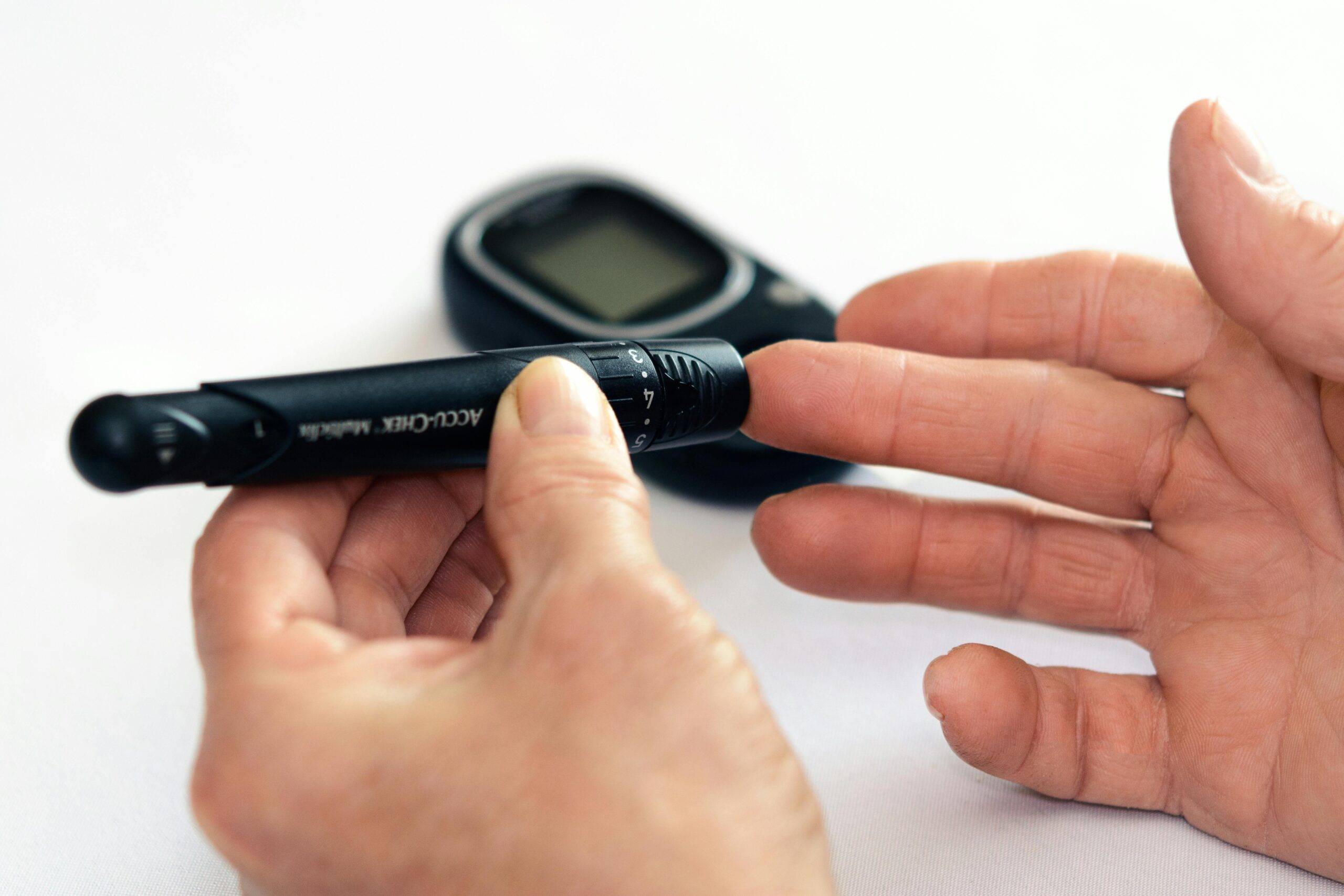
Public messaging around Type 2 diabetes has focused on complications like blindness, heart problems, kidney failure, and amputations . But recent studies confirm a quieter, equally devastating consequence — the erosion of memory, cognition, and identity.
“Insulin is not just a hormone for sugar control, it’s vital for brain health. When the brain becomes resistant to insulin, memory begins to falter. People often don’t realize that diabetes can quietly damage the brain over time.”
FORTY AND FORGETFUL:
It’s particularly worrying for India, home to over 100 million diabetics, with many being diagnosed in their 40s and even 30s. More than 10,000 people aged between 35 and 55 years for more than three decades. For every 1,000 people with Type 2 diabetes examined annually, the dementia rate was 10 for onset six to 10 years earlier, and more than 18 for those with onset a decade ago.
So, the longer the exposure to elevated blood sugar, the higher the lifetime risk of significant cognitive decline. “We are seeing diabetics in their 40s already experiencing symptoms like brain fog and forgetfulness.”
India’s diabetes epidemic, coupled with a rapidly aging population, means its dementia rates are also set to explode. Predicts a 197% rise in dementia cases in India by 2050 — among the sharpest increases globally.
“Diabetes affects the brain through multiple pathways.” It causes inflammation, damages the tiny blood vessels t hat feed the brain, and interferes with the brain’s ability to clear out toxic proteins like amyloid-beta, a hallmark of Alzheimer’s. Over time, t his buildup accelerates nerve cell death and memory loss,”
TYPE 3 DIABETES:
The link is so strong that researchers have begun referring to Alzheimer’s as “Type 3 diabetes.” It’s not that everyone with diabetes will get Alzheimer’s, but having diabetes doubles the risk. Obesity can triple it.
This is not because the brain needs insulin. In Alzheimer’s, the brain shows both insulin resistance (like Type 2 diabetes) and insulin deficiency (like Type 1). This double blow prevents brain cells from using glucose properly, causing them to starve, which sets off a chain reaction — inflammation, toxic buildup, and nerve cell death.
Though Alzheimer’s is the most common form of dementia among diabetics, vascular dementia caused by damage to the brain’s blood vessels is also common. “Among long-standing diabetics in India, what we see more often is mixed dementia — where patients have features of both Alzheimer’s and vascular dementia caused by damage to the brain’s blood vessels is also common.
Even those with diabetes are not spared if their blood sugar levels are consistently high. People with 115 mg/dL — still within the normal range — had an 18% higher risk of dementia. Those with diabetes and poorly controlled blood sugar faced a 40% higher risk.
The unique risk profile of Indians — high carb diets, low physical activity, and a genetic predisposition to belly fat and insulin resistance — compounds the crisis. Cultural stigma often delays diagnosis. “In many households, memory lapses are still disregarded as stress or normal aging while patients suffer in silence.”
BRAIN SPAN KEY TO QUALITY OF LIFE:
Experts are now calling for a dementia policy to be integrated into the National Health Mission. Doctors say treatment protocols should focus on not just prolonging lifespan, but also ‘brain span’ — the number of years we maintain clear thinking, memory, and cognitive ability.
“What’s the point of adding years to life if we don’t add life to those years? We must focus on healthy brain aging –starting in your 30s and 40s, not after retirement.”
“We need to start screening for cognitive decline in all long-term diabetics above 50, just like we screen their eyes and kidneys.”
But how does one improve brain span? By adopting a Mediterranean-style in leafy greens, whole grains, nuts, and healthy fats — all of which help regulate blood sugar and protect neurons. Exercise, particularly aerobics and strength training, boosts insulin sensitivity and increases production of BDNF (Brain-Derived Neurotrophic Factor), a protein crucial for brain cell growth.
Diabetes drugs, whether it’s metformin or newer medications like GLP-1 receptor agonists (semaglutide), offer hope.
“GLP-1 drugs are not just for weight loss — they may help slow cognitive decline as well. We must act early. If we guard our blood sugar, we protect our brains.”
INSULIN-BRAIN LINK:
- Insulin resistance makes it harder for brain to store, retrieve memories.
- High sugar levels trigger inflammation and oxidative stress, damaging brain cells.
- Microvascular damage cuts oxygen, nutrients to brain.
- Amyloid plaques and tau tangles, seen in Alzheimer’s, build up faster in those with high insulin.
- Over time, these changes up risk of memory loss, brain fog, and full-blown dementia.
EARLY DIABETES ONSET INCREASES RISK:
Diabetes diagnosis Dementia risk
Age 60 77%
Age 65 53%
Age 70 11%